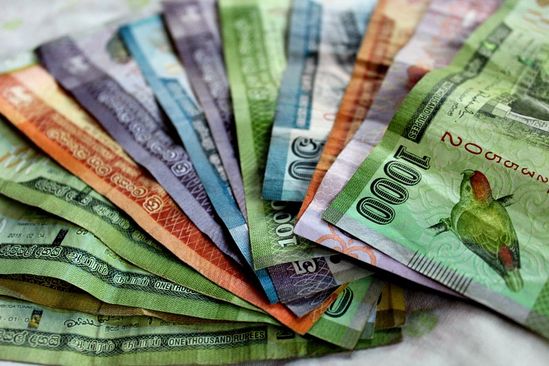
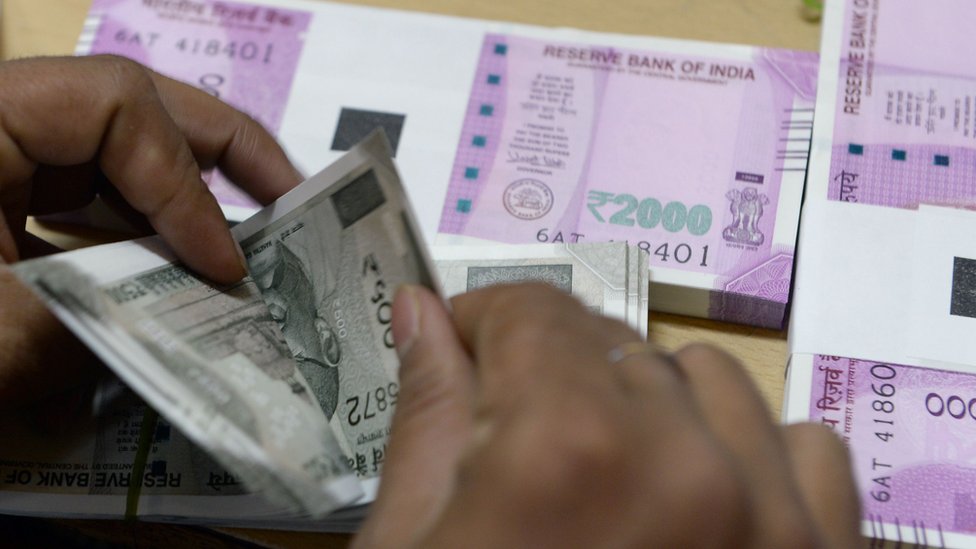
ශ්‍රීලංකාවට ඉන්දීය රුපියල්වලින් ගෙවීම් කිරීමට අවසර

අර්බුදකාරී ශ්‍රී ලංකාවෙන් ගෙවීම් ලබා ගැනීමේදී අපනයනකරුවන් මුහුණ දෙන
දුෂ්කරතා සැලකිල්ලට ගනිමින්, ඉන්දියානු සංචිත බැංකුව (RBI) ඊයේ (19)
ආසියානු නිෂ්කාශන සංගමයේ (ACU) යාන්ත්‍රණයෙන් පිටත ඉන්දියානු
රුපියල්වලින් වෙළඳ ගනුදෙනු පියවීමට අවසර ලබා දී තිබේ.

ඉන්දියාවෙන් අත්‍යවශ්‍ය භාණ්ඩ මිලදී ගැනීම සඳහා ශ්‍රී ලංකාවට මූල්‍යකරණය
කිරීම සඳහා State Bank of India (SBI) විසින් ශ්‍රී ලංකාවට ලබා දුන්
ඩොලර් බිලියන 1 ක වාරික ණයක් මාර්තු මාසයේදී රජය විසින් සහතික කර තිබුණි.

ශ්‍රී ලංකාවෙන් අපනයන ආදායම සහ SBI හි ණය පහසුකම ලැබීමේදී අපනයනකරුවන් අත්විඳින දුෂ්කරතා සැලකිල්ලට ගනිමින්, විධිවිධානයට යටත්ව ශ්‍රී ලංකාව සමඟ එවැනි වෙළඳ ගනුදෙනු ACU වලින් පිටත ඉන්දියානු රුපියල්වලින් පියවීමට තීරණය කර ඇති බවට ඉන්දියානු සංචිත බැංකුව නිවේදනයක් නිකුත් කර ඇත.

SLT Group records Rs. 2.7 bn after tax profit

Sri Lanka Telecom Group (SLT Group), the National ICT solutions
provider, recorded a Group Profit After Tax (PAT) in Q1 2022 of Rs.
2.7 billion, despite challenging economic conditions.

Consolidated revenue recorded a year-on-year (YoY) growth of 5.4% to
Rs. 26 billion in the same period, in comparison to the corresponding
period in the previous year.

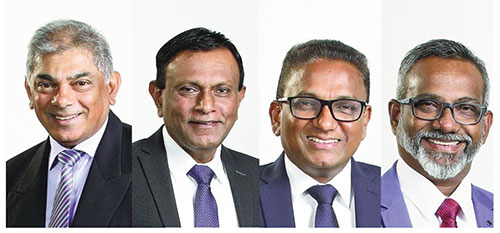
SLT Group Chairman Rohan Fernando stated: “The first quarter of 2022
proved more challenging than we had expected; however SLT-MOBITEL’s
overall performance reflected the resilience and strength of our
portfolio. Throughout 2022, we aim to continue to deliver value for
all stakeholders reinforcing our support to bridge the digital divide
serving the Nation and our people. Prudent financial discipline was
also a key factor in our success.”

Beginning the new year, the group continued its focus on the digital
transformation agenda, streamlining the cost base and automating
processes while delivering and creating value for stakeholders and the
nation.

SLT Group’s EBITDA (Earnings Before Interest, Tax, Depreciation, and
Amortisation) recorded a 9.9% YoY growth to stand at Rs. 10.7 billion,
with the EBITDA margin improving to 41% for the quarter against 39.4%
in the corresponding period of the previous year. The Group recorded a
Profit Before Tax (PBT) of Rs. 3.5 billion for the quarter.

SLT Group CEO Lalith Seneviratne added: “We continue to invest in the
best of emerging technologies, including networks and digital
capabilities, and continue our efforts to deploy an innovative
portfolio of products and services implementing the transformation of
the Company. Our considerable infrastructure investment allows us to
continue innovating and improve customer experience.”

The group stated that its revenue growth was primarily driven by the
increased broadband revenues resulting from the ongoing accelerated
fibre expansion project under the National Fiberisation Programme and
due to the expansions and upgrades in the 4G/LTE network. The
investment towards fiberisation and the aggressive roll-out and
marketing of fibre solutions paid off, as it contributed to achieve Q1
targets for the group with increased consumer demand. Further, the
group saw an increase in PEO TV revenues due to the accelerated fibre
expansion project. The group’s revenue from career domestic services
too improved during the period.

The Operating Cash Flows of the group grew to Rs. 16.3 billion, up by
35.3% YoY. The group recorded a favourable cash and cash equivalents
position of Rs. 31.6 billion as at the end of the quarter. SLT Group’s
contribution to the Government of Sri Lanka during the first quarter
of 2022 amounted to Rs. 4.2 billion in direct and indirect taxes,
including levies.

Sri Lanka Telecom PLC (SLT), the holding company of the group,
recorded Rs. 4.1 billion, in Profit After Taxes for Q1 2022. Revenue
for the quarter recorded at Rs. 15.9 billion, whilst the EBITDA and
Operating Profits stood at Rs. 6.3 billion and Rs. 1.1 billion,
respectively.

SLT CEO Janaka Abeysinghe commented: “We are on track for business
growth and improved profitability, driven by rapid adoption of
broadband services, fiberisation and increased bandwidth consumption,
which is generating robust demand. My team is focused on growth. We
are committed to re-invigorating our core broadband and fixed
operations while pursuing modernization of our infrastructure. We will
continue to work to maintain this positive momentum throughout 2022.”

The Mobile services arm of the Group, Mobitel (Pvt.) Ltd, sustained
revenues at previous levels, earning Rs. 11.6 billion in the Q1 2022.
Both EBITDA and Operating Profit margins remained positive at 38.9%
and 19.3%, respectively, whilst foreign exchange losses negatively
affected the bottom line of the company, resulting in a net loss of
Rs. 0.8 billion for the quarter.

Mobitel CEO Chandika Vitharena stated: “Even in these unprecedented
times, we are poised to capitalise on the growing need to simplify
communications. As the National Mobile Service Provider, we
continually aim to introduce next-level solutions driven by the
digital acceleration across our market segments, delivering
superlative customer experience.”

The SLT Group stated it is looking to implement several key strategies
to meet the economic slowdown and the challenging operating
environment that includes cost increases, inflation, rupee
depreciation against the US dollar, and delays in importing necessary
equipment. Consolidating infrastructure at group level, restructuring
field staff to work smarter, encouraging and deploying more staff to
work from home, offering value addition to all customer segments, and
a focus on delivering long-term financial performance through a more
sustainable business model are among these strategies.

Source: The Morning News Paper

Sri Lanka stumbles toward its first default on foreign debt

Sri Lanka is sliding inexorably into default as the grace period on
two unpaid foreign bonds nears an end, the latest blow to a country
rattled by economic pain and social unrest.

The island nation could be formally declared in default if it fails to
make an interest payment to bondholders before Wednesday (18), when
the 30-day grace period for missed coupons on dollar bonds ends. That
would mark its first default.

Sri Lanka’s Government announced in mid-April it would stop paying
back its foreign debt to preserve cash for food and fuel imports as it
struggled with a dollar crunch that’s led officials to implement
capital controls and import curbs. A few days later, it failed to
service a $ 78 million coupon on its dollar bonds due in 2023 and
2028, leading S&P Global Ratings to declare a selective default.

“Without an agreement, there will be a formal default,” said Carlos de
Sousa, a money manager at Vontobel Asset Management in Zurich.
“Legally that matters. But for markets, Sri Lanka is already de facto
in default, so the price effect of such an event is probably not going
to be significant.”

Source: The Morning News Paper

Sri Lanka, a challenging place to do business

The U. S.  Department of States, in its 2021  Investment Climate Statement, identifies Sri Lanka as a challenging place to do business, with high transaction costs aggravated by an unpredictable economic policy environment, inefficient delivery of government services, and opaque government procurement practices.

The statement, published on its website, says investors noted concerns over the potential for contract repudiation, cronyism, and de facto or de jure expropriation.

It says public sector corruption is a significant challenge for U.S. firms operating in Sri Lanka and a constraint on foreign investment.

“While the country generally has adequate laws and regulations to combat corruption, enforcement is weak, inconsistent, and selective.  U.S. stakeholders and potential investors expressed particular concern about corruption in large infrastructure projects and in government procurement.  The government pledged to address these issues, but the COVID-19 response remains its primary concern.  Historically, the main political parties do not pursue corruption cases against each other after gaining or losing political positions,” the statement said

Governor W D Lakshman responds to President Rajapaksa

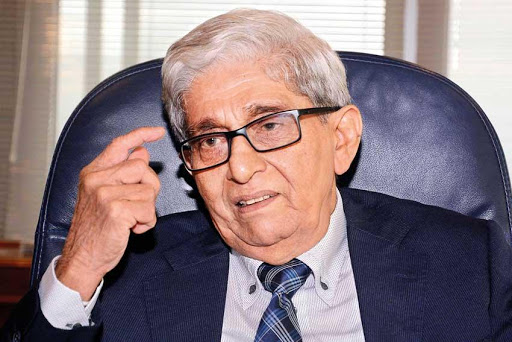
A tongue lashing given by President Gotabaya Rajapaksa over a delay in the central bank giving loans with re-finance (printed money) erupted without prior discussion, but the issue has been resolved a channel of communications established, Governor W D Lakshman said.

“This is something that had given rise to a lot of debate, accusations and counter accusations,” Governor W D Lakshman told reporters in Colombo in Sinhalese.

“The central bank as a representative agency of the government, as part of it, has to do certain thing on behalf of the government.”

The issue raised new questions over the independence of the institution which had depreciated the currency from 4.70 to 185 to the dollar since independence from British rule in the worst performance among pegged South Asian monetary authorities through money printing.

President Rajapaksa slammed the central bank in public after summoning Governor Lakshman to his office, over a delay in giving credit to Coronavirus affected companies with printed money (central bank re-finance) at time when the rupee was already under pressure and imports were controlled.

Responding to questions from reporters Governor Lakshman said there had been no prior discussion before the institution and officials were summoned for the meeting.

“If such a question had been asked it would have happened in a different way,” Governor Lakshman said.

“Later when there were problematic situations on two occasions, the problem was solved in that way. I acted and got a discussion early we have started a process to inform the Prime Minister and President.

“We have now solved this problem and are working with some agreement.”

President Rajapaksa’s brother Mahinda Rajapaksa, who is Prime Minister is also the Finance Minister.

“About this credit program, the Cabinet took certain decisions, and the central bank was informed to carry them out,” Governor Lakshman explained.

“Usually the Monetary Board meets, and decides on the most appropriate way and implements it.”

Plans underway to revive tourism industry

The Sri Lanka Tourism Development Authority has drafted plans for an early revival post-COVID-19, as the country starts opening up gradually from this week.
The Authority said a major step was the Cabinet approval of the critical five-year global promotion initiative last week and plans are underway to finalize the Terms of Reference and appointment of the Procurement, Project and Technical Evaluation Committees; and the process will start when the time is right.
“The approach focuses on consumer types and will allow for research supported global promotional campaigns for Sri Lanka and a traveller-focused, evidence-based promotion strategy will be developed” Sri Lanka Tourism Chairperson Kimarli Fernando stated, issuing a media release.
Sri Lanka Tourism is also currently working with the United Nations Development Program (UNDP) in a three-stage strategy of situation assessment, impact assessment and road mapping, to help get the tourism industry back on its feet.
According to Data, there are 11,071 registered entities and individuals in the industry. Additionally, there are 2,669 accommodation facilities with 39,253 rooms.
The industry also comprises 34 associations including regional associations. In addition to the accommodation sector, there are associations of Travel Agents (DMC’s), Tour Guides and Drivers, inputs from whom are also essential going forward.
“Tourism in Sri Lanka is an industry built on diversity and inclusivity, the input and collaboration of all tourism organisations is critical in the current situation, and would be of great benefit in planning the future.
I look to all associations to provide us with their formal proposals to help Sri Lanka Tourism to complete an inclusive long-term strategy,” she said, adding that the Sri Lanka Tourism Alliance industry grouping has already submitted a proposal.
She said despite the uncertainty of the current situation, it is necessary to address day-to-day matters, whilst maintaining the foresight to plan ahead.
COVID-19 also provides us with an opportunity for Sri Lanka Tourism to re-profile itself when the time is right. “We can realign our focus towards higher-yielding tourists and a unique Sri Lankan experience; while ensuring the safety of travellers, our employees and citizens,” she added.
According to her, the Sri Lanka Tourism’s post-COVID-19 approach takes is in two stages – Stage 1 (December Season 2020) and Stage 2 (Post-December 2020).
Stage 1 focuses on the immediate recovery of the industry, which involves changes to the visa process to include mandatory testing, adjustments to the immigration process, airport entry, hotel transfer and certification of hotels to ensure health and safety of tourists, employees and the local community.
She pointed out that designated quarantine hotels need to be established with staff safety being paramount. With advice from the Ministry of Health, a detailed guideline will be released, and establishments will be audited to ensure compliance.
Rigorous health and safety activities incur costs and as such, it is recommended that a minimum pricing structure be established for accommodation, avoiding undercutting and the resulting race to the bottom.
“In the spirit of global solidarity, we would also recommend an optional rapid test on departure at Sri Lanka Tourism cost, with results to be instantly messaged. This would provide assurance to tourists as they continue their travels elsewhere.
When the airport is fully operational, it would be an opportunity to increase flights and connectivity to Sri Lanka as an emerging transit hub in South Asia. This would be a learning experience from Singapore and Dubai’s example in building their tourism industry,” she added.
The Sri Lanka Tourism Chairperson also stressed that the Government and the Central Bank have extended their fullest support to fast track industry recovery.
“We look to the banks and financial institutions to support us and stand by our industry. We are personally contacting banks to assist our industry and currently working on how to support the industry for payment of salaries for the lower brackets and individuals with no safety net, through engagement with international funding agencies,”.
She said COVID-19 was a severe blow to the industry which was still recovering after the Easter Sunday attacks last April. She said as the pandemic unfolded, the priority was the safety of tourists in Sri Lanka and on 12 th March when the World Health Organization (WHO) declared COVID-19 a pandemic, there were 76,224 foreign travellers in Sri Lanka.
Immediately, a 24/7 call centre was set up to assist tourists and with transportation issues in times of curfew, outbound flight tickets were allowed to be used as curfew passes to reach the airport. Another issue faced by foreign travellers was accommodation, with many hotels closing.
Alternative accommodation was found in other hotels and hostels and Sri Lanka Tourism liaised with the Foreign Ministry, embassies, airport authorities and airlines to facilitate safe departure.
We also launched “The Tourist and Expatriate Support Centre” website which provides live updates, essential information and assistance to tourists and at present, there are 12,329 tourists in Sri Lanka.

2023 වන තෙක් ශ්‍රී ලංකාවට GSP + බදු සහන

2023 වන තෙක් ශ්‍රී ලංකාවට GSP + බදු සහන ලබා දෙන බව යුරෝපීය සංගමය ප්‍රකාශ කළ බව අමාත්‍ය ප්‍රසන්න රණතුංග මහතා සඳහන් කර තිබෙනවා.

කාර්මික අපනයන, ආයෝජන ප්‍රවර්ධන, සංචාරක හා ගුවන් සේවා ඇමති ප්‍රසන්න රණතුංග මහතා සහ යුරෝපා සංගම් නියෝජිතයන් අතර පැවති සාකච්ඡාවකදි එම කොමිසමේ ශ්‍රී ලංකා මාලදිවයින් නියෝජිත කණ්ඩායමේ නියෝජ්‍ය සභාපති සහ දේශපාලන, වෙළද හා සන්නිවේදන ප්‍රධානී ත්‍රෝර්ස්ටන් බර්ග්ෆෙඩ් (Thorstenbargfarde) මහතා මේබව ප්‍රකාශ කර තිබෙනවා.

යුරෝපා සංගම් නියෝජිතයන් සහ කාර්මික අපනයන, ආයෝජන ප්‍රවර්ධන, සංචාරක හා ගුවන් සේවා ඇමති ප්‍රසන්න රණතුංග මහතා අතර මෙම හමුව එම අමාත්‍යංශයේ දි පැවැත්වුණා. වෙළද වරණයන් පිළිබඳ පොදු ක්‍රමය හෙවත් GSP යුරෝපා සංගමය වෙත අපනයනය කරන සංවර්ධනය වෙමින් පවතින රටවලට හඳුන්වා දුන් බදු සහනයකි.

GSP+ යනු GSPසහනය ලබන සංවර්ධනය වෙමින් පවතින රටවලටම ලැබෙන අතිරේක උපාංගයකි. යුරෝපා සංගම් නියෝජිතයන් සහ ඇමති ප්‍රසන්න රණතුංග මහතා අතර පැවති සාකච්ඡාවේ දි එම මෙහෙයුමේ පෙන්වා දුන්නේ GSP+ බදු සහනය වැඩි වශයෙන් හිමි වන්නේ මෙරට ඇගළුම් ක්ෂේත්‍රයට බවයි.

ඇගළුම් අපනයනයෙන් 60%ක්ම අපනයනය කෙරෙන්නේ යුරෝපා සංගම් රටවලට බව ද ඔහු මෙහි දි පෙන්වා දුන්නේය. ඇමති ප්‍රසන්න රණතුංග මහතා සඳහන් කළේ ඇගළුම් කර්මාන්තය මෙරට සමස්ත අපනයනයෙන් 43%ක් පමණ නියෝජනය කරන බවයි.

අපනයන ආදායමට වසරකට ඇමෙරිකානු ඩොලර් බිලියන 05ක් පමණ එක් කරනු ලබන ප්‍රධානතම නිෂ්පාදන කර්මාන්තය ද ඇගළුම් කර්මාන්තය බව පෙන්වා දුන් ඇමතිවරයා යුරෝපා සංගමයේ රටවල් ඒ සඳහා දක්වන සහයෝගය පිළිබද ව රජයේ ස්තූතිය පළ කරන බව ද සඳහන් කර තිබෙනවා.

යුරෝපා සංගමයේ රටවල ආයෝජකයින් මෙරට ආයෝජනය සදහා කැමැත්තෙන් සිටින බවත් එහිදී යුරෝපා සංගම් උප සභාපතිවරයා ප්‍රකාශ කර ඇති බව සඳහන්. යුරෝපා සංගම් රටවල් වලට ශ්‍රී ලංකන් ගුවන් සේවා නැවත ආරම්භ කරන ලෙස ද ඔහු ඇමතිවරයාගෙන් ඉල්ලා තිබෙනවා.ඇමති ප්‍රසන්න රණතුංග මහතා සඳහන් කර ඇත්තේ දැනටමත් ඒ පිළිබඳව අවධානය යොමුව ඇති බවයි

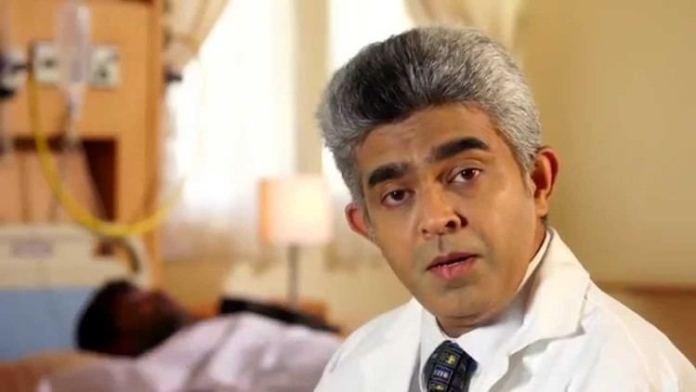
Consultant Neurosurgeon Dr. Prasanna Gunasena to head SPC

Consultant Neurosurgeon Dr. Prasanna Gunasena has been appointed as the new Chairman of the State Pharmaceuticals Corporation (SPC).
Meanwhile, Dr. Uthpala Indrawansa has been appointed as the Chairman of the State Pharmaceuticals Manufacturing Corporation.
Dr. Gunasena holds the honour of performing the surgery for cervical disc prolapse of the spine and replacement with functional discs for the first time in Sri Lanka.
He is the first Sri Lankan Neurosurgeon to perform Balloon Kyphoplasty surgery for spinal code fractures.
Gunasena was a founding member of the Neurosurgeons Association of Sri Lanka (NSASL)

මෙරට ආර්ථික වේගය දෙගුණයකින් වැඩි කිරීමට තවත් වසර 23ක් ගත වෙයි

මෙරට ආර්ථික වේගය දෙගුණයකින් වැඩි කිරීමට තවත් වසර 23ක් ගත වෙයි
ශ‍්‍රී ලංකාව මේ වනවිට අත්පත් කරගෙන ඇති සියයට 03 ක පමණ ආර්ථික වර්ධන වේගය තවදුරටත් පැවතිය හොත්, මෙරට ආර්ථිකය දෙගුණයකින් වැඩිවීමට තවත් වසර 23 ක් ගතවනු ඇතැයි ලෝක බැංකුව අනුමාන කරනවා. ඒ, දකුණු ආසියානු කලාපයේ මූර්ත දළ ජාතික නිෂ්පාදිතයේ වර්ධනය පිළිබඳ වාර්තාවක් ප‍්‍රකාශයට පත් කරමින්.
දකුණු ආසියානු කලාපයේ රටවල් අතරින් දෙවන අඩුම ආර්ථික වර්ධන වේගය පෙන්නුම් කරන්නේ ශ‍්‍රී ලංකාවෙන් බව එම වාර්තාවේ  සඳහන් වනවා. ශ‍්‍රී ලංකාව දෙවන වන්නේ ඇෆ්ගනිස්තානයට පමණයි.
දකුණු ආසියානු කලාපයේ පහළම වර්ධනයක් තිබෙන රට බවට නම් කර ඇති ඇෆ්ගනිස්ථානය මෙම වසරේදී අත්පත් කර ගනු ඇතැයි පුරෝකථනය කරන ආර්ථික වර්ධන වේගය සියයට 2.5 ක්. ශ‍්‍රී ලංකාවේ ආර්ථික වර්ධන වේගය සියයට 2.7 ක් වනු ඇති බවටයි පැවසෙන්නේ. කෙසේවෙතත්, 2018 වසරේ දී මෙම අගය සියයට  3.2 ක් ලෙස වාර්තා වුණා.
ලෝක බැංකුව පවසන්නේ ආරක්ෂාව පිළිබඳ අභියෝග සහ දේශපාලන අවිනිශ්චිතතාවයන් පහවීමත් සමඟ ආයෝජන හා අපනයන යථාතත්ත්වයට පත්කිරීමේ හැකියාවක් ශ‍්‍රී ලංකාව සතු බවයි. ඒ අනුව මෙරට ආර්ථික වර්ධන වේගය 2020 දී සියයට 3.3 ක්ද, 2021 දී සියයට 3.7 ක්ද වනු ඇති බවටයි ලෝක බැංකු වාර්තාවේ දැක්වෙන්නේ.
2019 වසරේ දී දකුණු ආසියානු කලාපය තුළ ඉහළම ආර්ථික වර්ධනයක් පෙන්නුම් කරන්නේ බංග්ලාදේශයෙන්. එහි අගය සියයට 8.1 ක්. නේපාලයේ සියයට 7.1 ක ආර්ථික වර්ධනයක් පෙන්නුම් කරනවා. මාලදිවයින, භූතානය සහ පාකිස්තානයේ ආර්ථික වර්ධනය ද ශ‍්‍රී ලංකාවට වඩා ඉහළ අගයක පැවතීම කැපී පෙනෙන සිද්ධියක්. ලෝක බැංකු දත්තවලට අනුව නුදුරේදීම බංග්ලාදේශයේ ආර්ථිකය දෙගුණයකින් ඉහළ යනු ඇති.

8th Sri Lanka Buildcon International Expo

India today called for greater collaboration with Sri Lanka as India’s construction industry is expected to be USD 1 trillion by 2025.
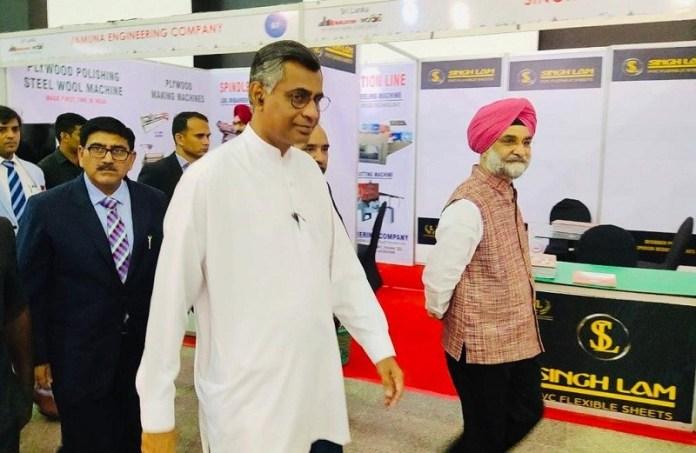
Minister of Megapolis and Western Development, Patali Champika Ranawaka and Taranjit Singh Sandhu, High Commissioner of India inaugurated the 8th Sri Lanka Buildcon International Expo & 7th Wood International Expo 2019 in Colombo today.
Ms Niluka Ekanayaka, Chairperson, State Timber Corporation, Prem Anveshi, MD, Futurex Trade Fair & Events Pvt. Ltd, Amit Panjwani, Director, Confederation of Indian Industry, Pramuk Dediwala, MD, ALUMEX PLC, Sri Lanka, Nishal Ferdinando, CEO JAT Holdings, Imran Hassan, MD, CDC Events & Travels and other dignitaries were also present.
More than 70 Indian companies with a focus on varied products and services related to Engineering, Procurement & Construction (EPC), Commercial & Residential Building Construction, Government & Civil Infrastructure are participating in the Exhibition, supported by Confederation of Indian Industry (CII) and Ministry of Commerce & Industry, Government of India.
Minister Ranawaka appreciated the role of construction sector in uplifting the Sri Lankan economy. He expressed hope that such exhibitions would facilitate greater international collaboration at the industry and people level. The Minister also thanked the CII for organizing large scale Indian participation at the event.
The High Commissioner, in his address, noted that the large participation of Indian companies in the recent Exhibitions is a reflection of the trust that Indian companies and industry groups repose in the Sri Lankan economy and its people, which are making all efforts to recover from Easter Sunday Attack.